
Survey Insights
Short surveys were used to supplement interviews, helping identify behavioral trends related to social media usage, communication habits, narcissism, altruism, and perceived social skill development across generations and genders.

Who Responded?
Spanning across four generations
52.8%
44.4%
Generational Balance:
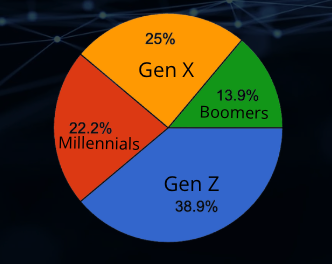
36 Respondents
- Mix of students, professionals, & parents.
- 14 Gen Z
- 8 Millennials
- 9 Gen X
- 5 Boomers
Goal: Understand lived reality of platform use across generations and how that affects our three main indicators of narcissism, altruism, & in-person social skills.
What Was Measured:
Survey questions were designed to assess both behavior and perception, focusing on how social media is experienced emotionally, socially, and cognitively.
Frequency & purpose of platform use
Feelings during & after scrolling
Perceived influence of social media on identity and self-worth
Perceived influence of social media on identity & self-worth
Comfort with in-person communication
Perceived influence of social media on identity and self-worth
Key Patterns:
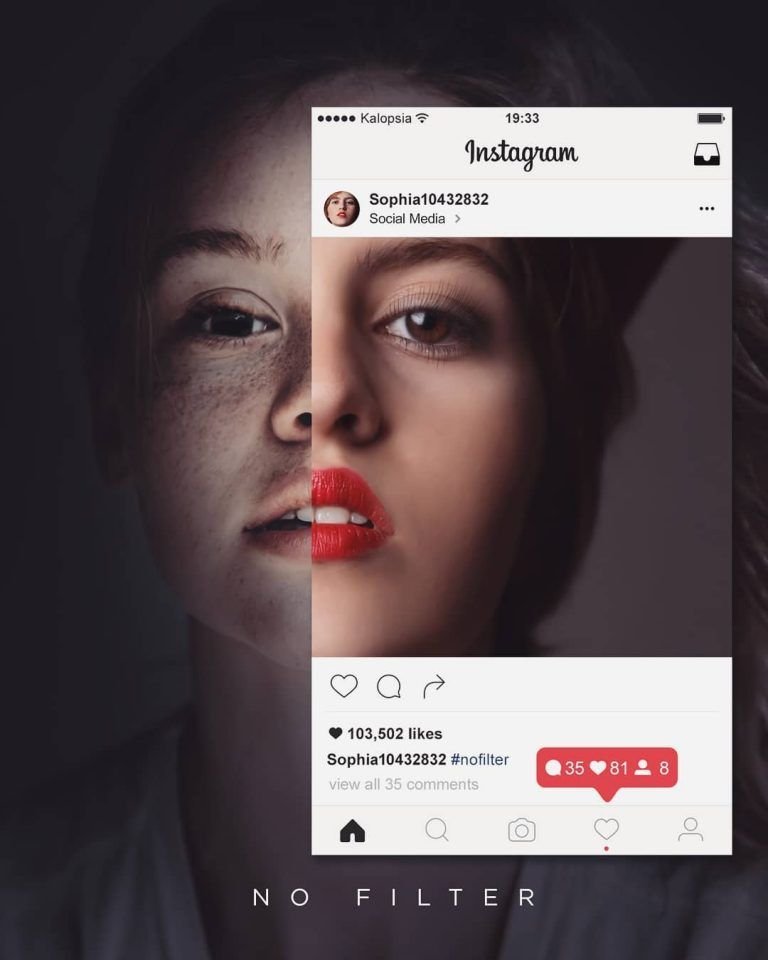
Narcissistic Presentation
Survey data suggests high levels of self-monitoring and image control, even among respondents who described their online personas as authentic.
69.4% (n = 25, N = 36) reported editing or deleting posts because the content did not align with how they wanted to be perceived
33.3% (n = 12, N = 36) said they changed what they were doing or how they looked because it might appear on social media
27.8% (n = 10, N = 36) reported thinking about the impression their posts give more than the average person
13.9% (n = 5, N = 36) stated that they post specifically to “see how people will respond”
Although many respondents believe their online presence reflects their true self, these behaviors indicate significant identity curation. This pattern aligns with contemporary forms of communal narcissism, where self-presentation is optimized for social approval, affirmation, and positive feedback rather than overt self-promotion.
Altruism & Community Reciprocity
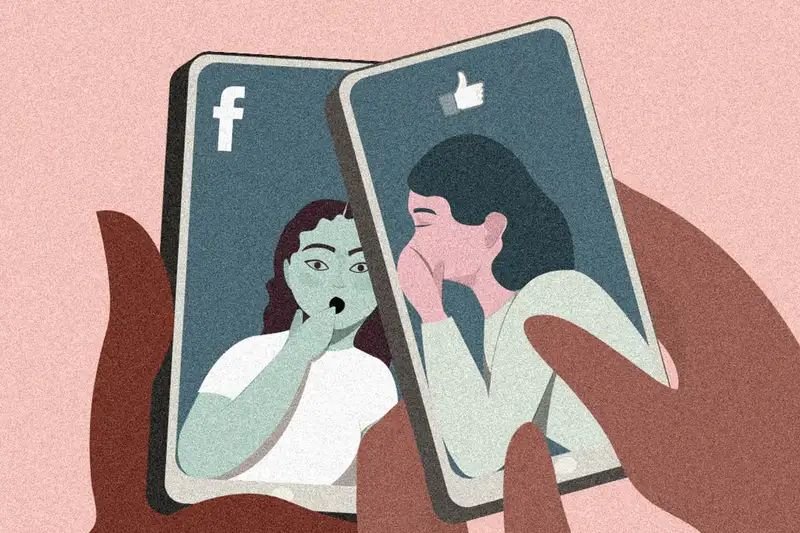
While connection was the most frequently cited benefit of social media, the data suggests that emotional reciprocity within online spaces is inconsistent.
Connection was identified as the primary benefit of social media by 23 respondents (N = 36)
22.2% of respondents (n = 8, N = 36) stated they do not check in with others when they see something highly personal posted online.
Respondents frequently described online spaces as negative, judgmental, or divisive. Research indicates that environments perceived as competitive or hostile tend to suppress empathetic and prosocial behavior. The combination of comparison culture, performance pressure, and emotional fatigue may reduce users’ capacity or willingness to engage in altruistic responses, even when connection is desired.
Social Skills, Attention, & Offline Behavior
Survey responses indicate that digital habits are influencing communication and behavior beyond the screen.
72.2% (n = 26, N = 36) noticed changes in how people communicate compared to a few years ago
23 respondents (N = 36) reported that social media has reduced their in-person social time
Loss of in-person interaction and divided attention reduces opportunities to practice foundational social skills such as listening, emotional regulation, and conflict navigation. Many respondents noted that negative online behaviors, including bluntness, reactivity, and judgment, increasingly carry into face-to-face interactions, reshaping how people speak, listen, and respond offline.

Why does this Matter?
The survey data reinforces that these experiences are not isolated or anecdotal. They reflect systemic patterns shaped by platform design, social expectations, and algorithmic feedback loops.
By pairing quantitative trends with qualitative interviews, this highlights how individual experience connects to broader cultural shifts. The data suggests that social media’s impact on identity, empathy, and communication is not limited to specific groups, but unfolds differently depending on age, gender, and context.